A SaaS proptech startup needed a full-funnel, multi-channel marketing strategy across EMEA, and a way to turn a genuinely complex product into messaging people actually understood.
Build and run PPC, email, social, web, and event channels together, own CRM automation, translate the product into clear, persona-driven messaging, and lead a small team to execute it.
100+ qualified leads generated through inbound campaigns, with better MQL-to-SQL conversion and clearer pipeline visibility.
Challenge
JLL / Envio Systems, a SaaS proptech startup, needed marketing that could scale across the EMEA region without fragmenting into disconnected channel efforts. The product itself was complex, the kind that's easy to describe accurately and completely fail to make interesting. Messaging needed to translate that complexity into something a specific buyer persona would actually respond to.
Approach
The strategy connected PPC, email, social, web, and event channels into one full-funnel system. CRM automation and workflows (Salesforce) were owned end to end, giving Sales and CX a clearer, shared view of the pipeline instead of a black box.
- Full-funnel, multi-channel strategy (PPC, email, social, web, events) built and run across EMEA.
- Inbound campaigns (webinars, content, case studies) generating qualified leads consistently.
- Persona-driven messaging tailored to facility managers, real estate asset managers, and sustainability leads, translating a complex product (TRIA gateway, CUBE controller, BASE platform) into language each buyer actually responded to.
- GTM focus spanned the highest-potential commercial building segments (offices, multi-family housing, retail, data centers, self-storage, hospitality, manufacturing), sold into facility management companies, real estate owners, BMS providers, and energy service companies.
- Built and led a team of two marketing specialists, personally hired and reporting directly to this role, with direct ownership of their professional development.
Impact
Inbound campaigns generated 100+ qualified leads, and owning CRM automation end to end improved both MQL-to-SQL conversion and how visible the pipeline was to Sales, Product, and CX.
Creative Work Samples
A closer look at the campaigns, CRM automation, and brand refresh behind the numbers above.
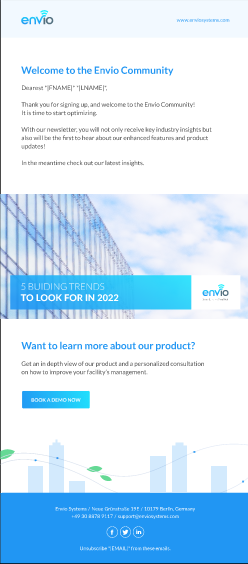
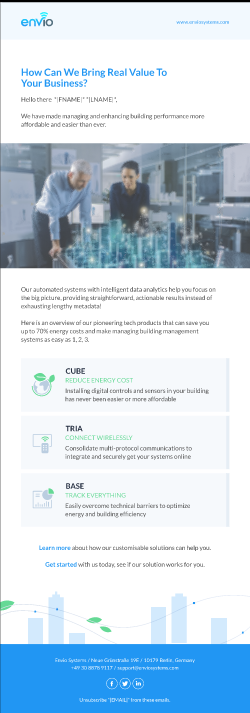
Every email here runs through Salesforce Journeys, segmented against an MQL database so a new signup and a warmed-up lead never get the same message. The welcome email leads with insight, a building-trends roundup, to earn trust before asking for anything. The re-engagement email does the opposite: it goes straight to the value proposition, breaking the product into three plain-language pieces (CUBE, TRIA, BASE) so a facility manager who isn't technical can still see exactly what they'd be buying. Same brand, same visual system, two different jobs in the funnel.
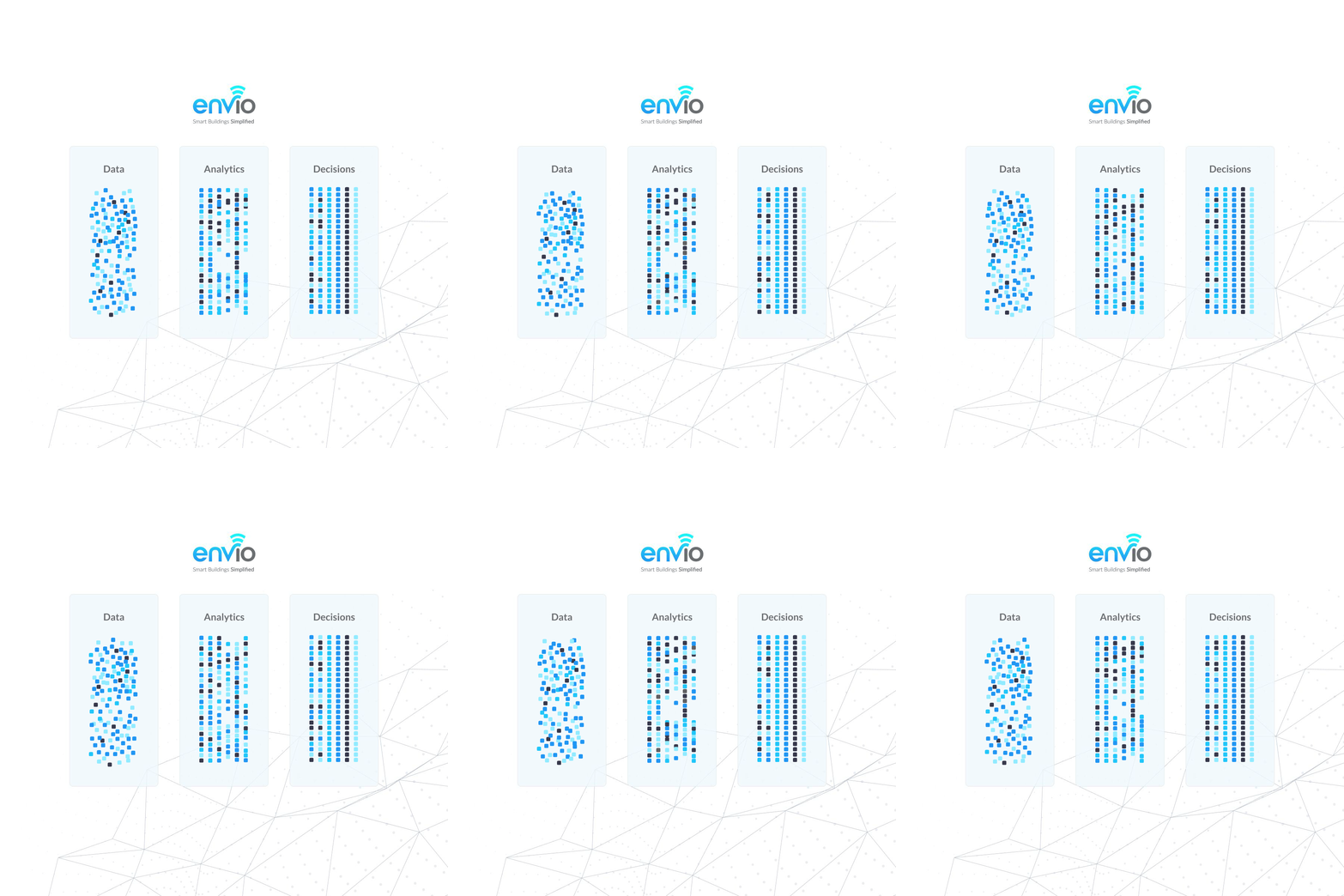
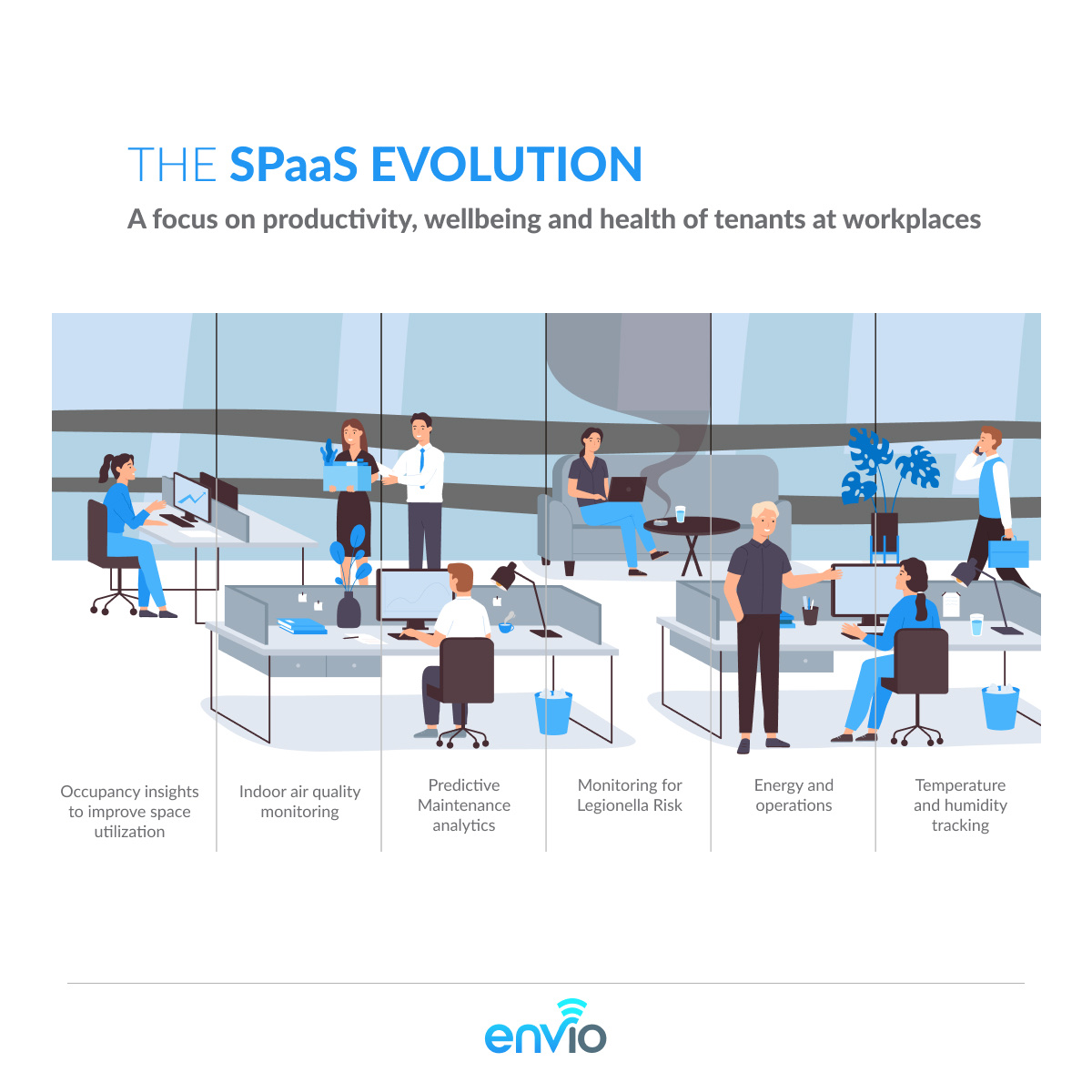
Owned the LinkedIn ad program end to end: media plan, audience segmentation, and creative, targeted at asset managers, facility managers, and sustainability managers, with case studies and whitepapers as the lead magnets driving conversion. Formats matched funnel stage: video for top-of-funnel awareness, a "Data → Analytics → Decisions" motion graphic to make the product click for non-technical buyers, and a "SPaaS Evolution" static ad reframing it around tenant productivity, wellbeing, and health. Targeted, retargeted, and A/B tested, this paid social effort was part of the inbound engine behind the 100+ qualified leads reported above.
A full brand architecture and visual identity refresh, built with a graphic designer to make complex building technology feel approachable to a non-technical, senior audience, carried through the product UI, dashboards, and site.
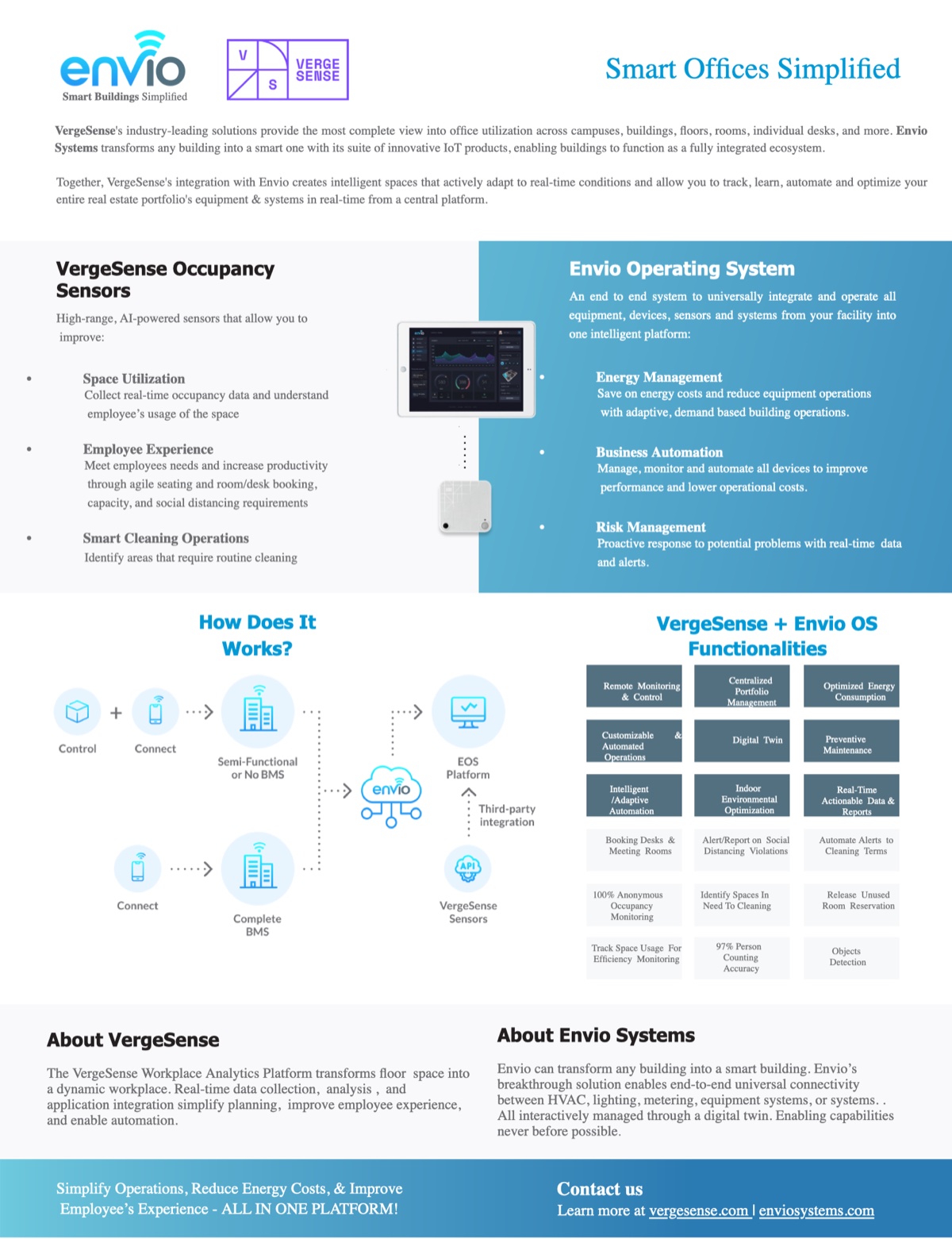
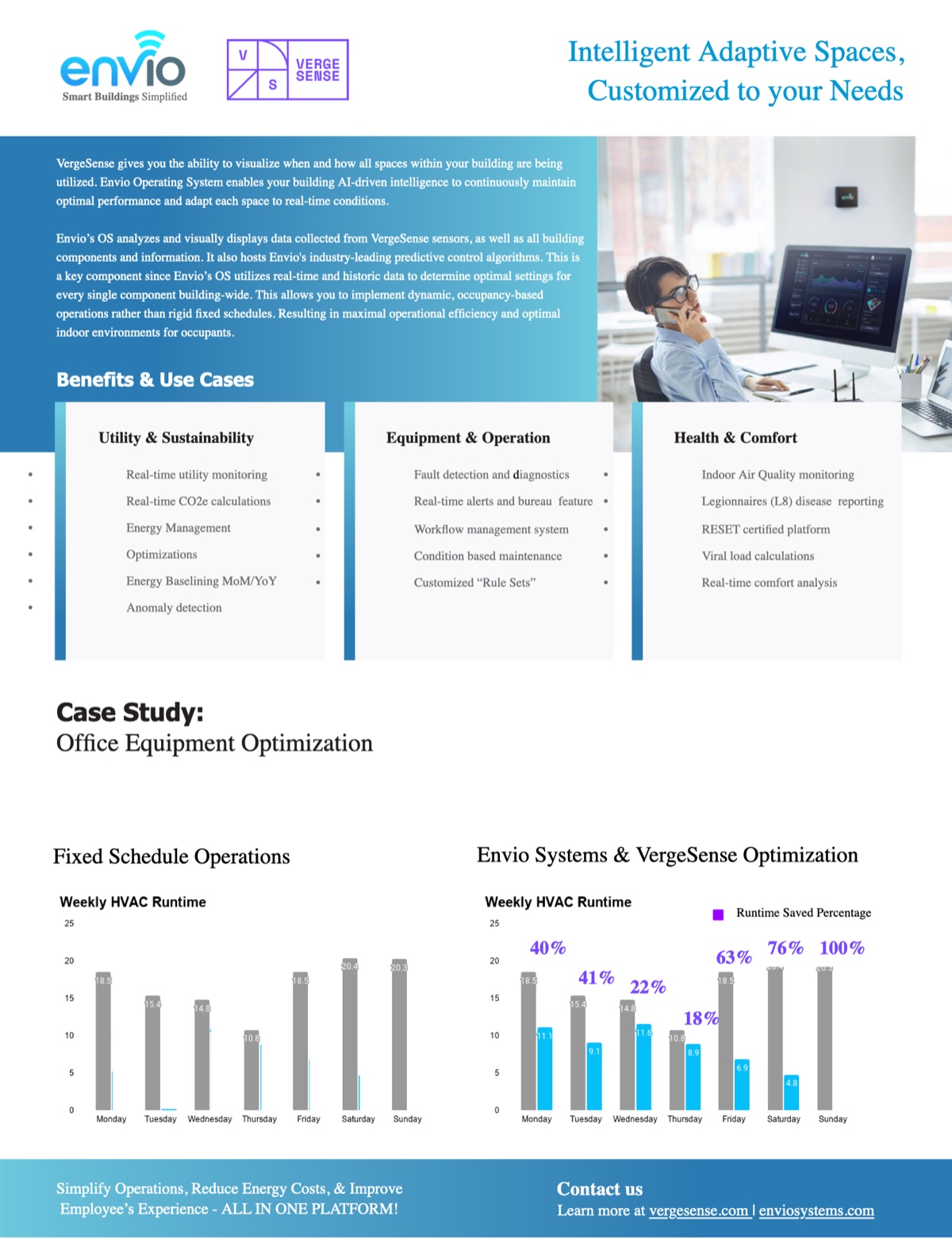
Partner relationships went beyond a single co-branded asset: joint marketing initiatives with technology partners like VergeSense spanned co-authored case studies, joint social media campaigns, and webinars run together to reach both audiences at once instead of just Envio's own. The VergeSense partnership is the clearest example on record: a co-marketing one-pager pairing VergeSense's occupancy sensors with the Envio Operating System into one coherent pitch instead of two disconnected product stories, and a case study translating the integration into a business result a facility manager could act on: moving from fixed HVAC schedules to occupancy-based, adaptive operations cut weekly runtime by up to 76%.